|
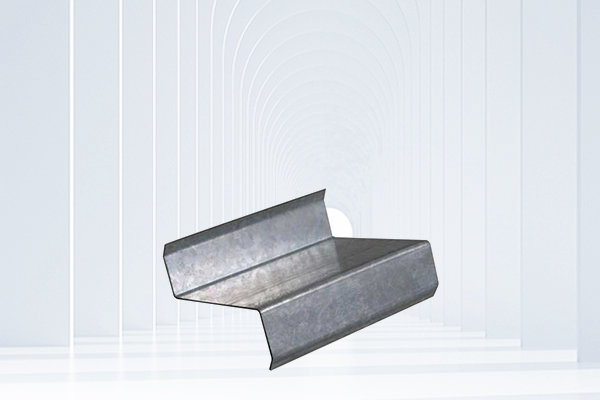
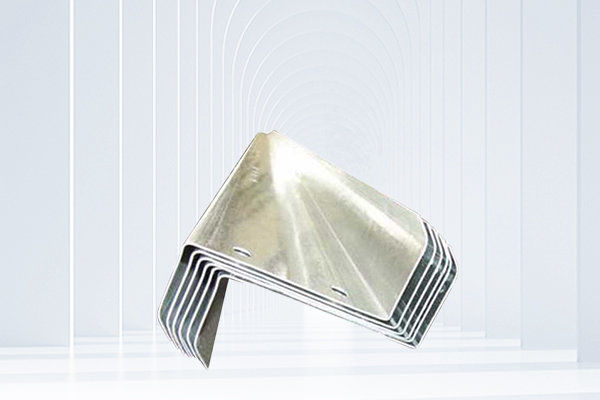
Z-shaped Steel
At present, the use of building materials is very extensive. During the construction process, the use of steel is essential, but there are many types of steel. What are the connections and differences between them. 1 The angle of Z-shaped steel is different from that of C-shaped steel. The angle of C-shaped steel is 90 degrees, The angle of Z-shaped steel is less than 90 degrees. Therefore, when using purlins on roofs with a certain slope, the angle of the purlins should be considered in conjunction with stress knowledge. When Z-shaped steel is used for steep roofs, its bending performance can be fully utilized. 2 Compared with the Z-shaped section, there is a significant difference in the mechanical properties between the strong and weak axes of the C-shaped section, and the connection between the C-shaped section and the steel frame is mostly bolted hinge, so the calculation should be based on simple support. Therefore, from the perspective of stress state, structure, and calculation results, the latter is more reasonable. Therefore, in addition to requiring door and window openings and other special joint treatments, Z-shaped cross-sections should be selected.
3. When the roof slope is small, The bending section modulus of Z-shaped purlins is slightly higher than that of C-shaped purlins, but the difference is not significant. As the slope of the top plate increases, the utilization rate of the bending section modulus of the vertically symmetric z-shaped purlins increases. Therefore, Z-shaped purlins are suitable for roofs with large slopes. 4. For walls, There is not much difference between Z-shaped steel and C-shaped steel. If the purlin wants to become a continuous component, use z-shaped purlins because they are easy to overlap.
Related products
|